Today, I will take you on a new trip to the Mitropoliei Hill. Let’s explore how the buildings in this area have evolved over time. I will guide you on … Continue reading Dealul Mitropoliei

Today, I will take you on a new trip to the Mitropoliei Hill. Let’s explore how the buildings in this area have evolved over time. I will guide you on … Continue reading Dealul Mitropoliei
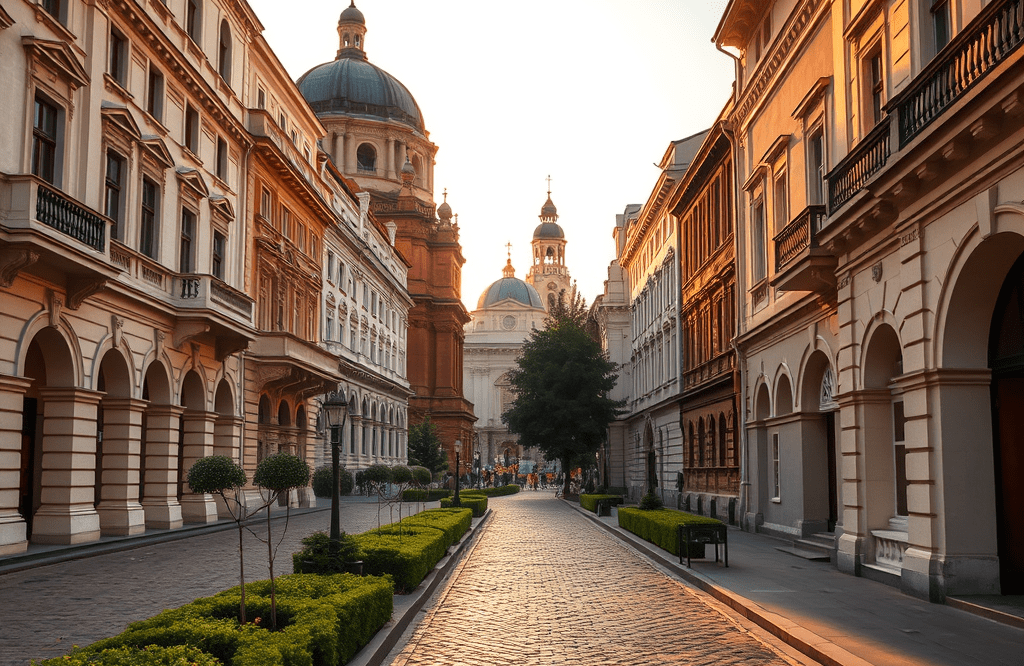
Today, I will take you on a new trip. We will walk along the most famous street in Bucharest, Calea Victoriei. Long ago, this street had a different name, so … Continue reading Calea Victoriei
Today, I invite you on a journey through time along a street in Bucharest. So grab my hand, and let’s take a walk together.
Our path leads us to Calea Moșilor, which translates to “the way of old men.” Let’s explore how this street earned its name and what it was called before.
Originally, this street led from the royal court to an outdoor market located near a bridge. This market was held twice a week, on Tuesdays and Fridays. Additionally, there was a significant annual market at the end of May called the Old Men’s Market, which was tied to a holiday that commemorates the souls of the deceased. On this day, known as the Saturday of the Dead, people would offer new clay pots filled with food to appease the souls of their loved ones. This holiday is celebrated on the Saturday before Pentecost. At this market, items related to the commemoration of the dead were sold.
Some believe the name “Old Men” refers to the time the market was first established during the reign of Matei Basarab, who ruled from 1632 to 1654. This market was originally created to honor his soldiers who died in the Battle of Fundeni in 1632, where he defeated Radu Iliaș, a rival claimant to the throne supported by Moldovans. Historical documents confirm the existence of the market from the early 17th century. Over time, the market relocated from its original site to the center of Bucharest, eventually moving to the Batiștei area as the city expanded.
By 1786, during the rule of Nicolae Mavrocordat, the market found its home in what is now the Obor Market. This market became the most well-known in the region, with similar but smaller markets appearing in other parts of the country. It bustled with locals from Bucharest and its surroundings, where people not only shopped but also socialized, enjoyed traditional Călușari dances, and participated in various festivities. Vendors offered gingerbread, whistles, puppets, and even curiosities like bearded women and shooting galleries.
However, this market wasn’t just a place of celebration; it also served as a site for executions. Condemned individuals were transported in an ox cart, often with a notice of their verdict displayed, as they were taken to their execution. Typically, those facing execution included bandits, forgers, traitors, and outlaws. Along the way, bystanders would offer them wine to ease their fear, often accompanied by their mothers or wives. Many convicted individuals would be unaware of their fate until it was too late.
Punishments for lesser crimes also took place at this market. Merchants caught cheating customers would face public humiliation, tied half-naked with a soldier beating them while shouting, “Who will do like him will suffer like him.” Women accused of adultery were similarly punished, paraded around in long shirts while sitting backward on donkeys.
Executed individuals would remain on display for some time after their deaths, serving as a grim warning to others. This practice of public display ended during the reign of Grigore Ghica (1822-1828).
Calea Moșilor, like other city bridges, initially had wooden pathways, which were repaired in 1792. Nearly a century later, in 1875, these paths were paved with river stones. By the late 19th century, Calea Moșilor had become Bucharest’s second-largest commercial route, resembling an oriental bazaar, with small, one- or two-story houses, pubs, summer gardens, cafés, and various shops lining the street.
Eventually, trams were introduced, bringing people to the market. It became customary for students to ride on the roofs of trams, tossing rice, corn, beans, and sometimes flowers to those standing by the windows. This playful interaction became a tradition, especially when the students spotted attractive women. With the decline of the trams, this form of entertainment faded.
By the end of the 19th century, the authorities purchased the market land, converting part of it into an exhibition space for industrial and agricultural products. As Obor Hall and the surrounding park were built, the market size diminished. In the 1980s, sections of Calea Moșilor and Carol I Boulevard were demolished to make way for new buildings. The Bucur-Obor shopping center, constructed in 1976, still stands today.
Now, as we stroll along Calea Moșilor, we can enjoy its shops and the nearby Bucur-Obor market. I hope you’ve enjoyed this journey with me!
Today, I invite you on a captivating journey back in time. Grab my hand as we step into Bucharest of 1830, where we’ll follow the trail of a legendary outlaw—one who dared to rob from the rich to give to the poor. His name? Ioniță Tunsu, an alias meaning “the Haircut.”
You might wonder about this curious nickname. Tunsu once served as a verger at the Church of the Holy Voivodes, and his melodious voice made him a prime candidate for the priesthood. The Bishop of Argeș had plans to elevate him to a priestly role, recognizing his kindness and literacy. At that time, priests wore long hair, but when Tunsu chose to abandon the church, he cut it short, symbolizing his break from the past.
Let’s delve into the life of this intriguing character. Born in 1800 in Olt, Tunsu was a robust young man—well-educated and gifted with a voice suited for the pulpit. In a society where such qualities made him an ideal priest, he instead sought a different path as an outlaw. Gathering a band of like-minded men, he retreated to the forests of Olt, where he united his crew with another. Tunsu was known for targeting only the wealthy; he never resorted to violence, treating his victims with surprising generosity, always aiding those in need.
His exploits soon made him a wanted man, much to the dismay of the affluent elite. During this tumultuous time, Wallachia was under Russian protection, with General Pavel Kisseleff overseeing both Wallachia and Moldova. Tunsu, with a sense of audacity, penned a letter to Kisseleff, requesting mercy if he were ever captured. He expressed his respect for Kisseleff, highlighting that he could have easily shot him but chose not to, for the love of his country.
Kisseleff, intrigued yet determined, ordered Tunsu’s capture—but with instructions not to kill him. Tunsu often slipped back into Bucharest, hiding in carriages to evade capture, but ultimately, betrayal awaited him. His godson, a police captain, revealed Tunsu’s plans to the authorities, offering details about his arrival in a carriage pulled by two horses—one white, one dark. A trap was set at the end of Mogoșoaia Bridge, anticipating a robbery of another police captain.
When Tunsu and his men arrived, a fierce confrontation erupted near the Dâmbovița River. Some of Tunsu’s men fell, while others managed to escape. Injured and desperate, Tunsu and a few companions leaped into the river to evade capture. Tragically, Tunsu suffered a severe abdominal wound. Despite Kisseleff’s men rushing to aid him, he succumbed to his injuries after a few agonizing hours.
In a hauntingly beautiful twist, Tunsu’s body was displayed on Calea Mogoșoaiei, not as a spectacle of shame, but as a tribute. Mourners brought flowers, silver coins, and tears, honoring the man who had fought for the underprivileged. Those who betrayed him were rewarded handsomely.
Though he met a tragic end at just 32 years old, Tunsu became a symbol of heroism for many. His legacy endured, inspiring theatrical adaptations—most notably in 1858, when the renowned Matei Millo, the father of Romanian theatre, brought his story to life on stage.
I hope you enjoyed this journey through time and that you’ll join me again soon for another captivating adventure.
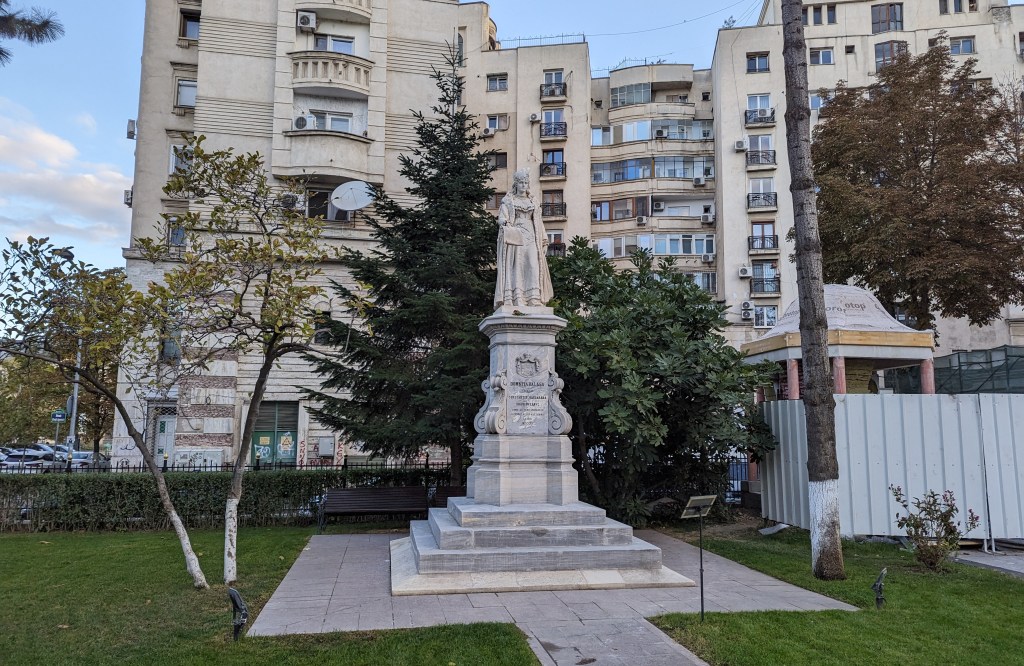
Join me on a captivating journey through history as we explore the life of one remarkable woman—Bălașa, the sixth daughter of the illustrious Constantin Brâncoveanu. Born in 1693, Bălașa … Continue reading Echoes of Brâncoveanu: The Story of Lady Bălașa
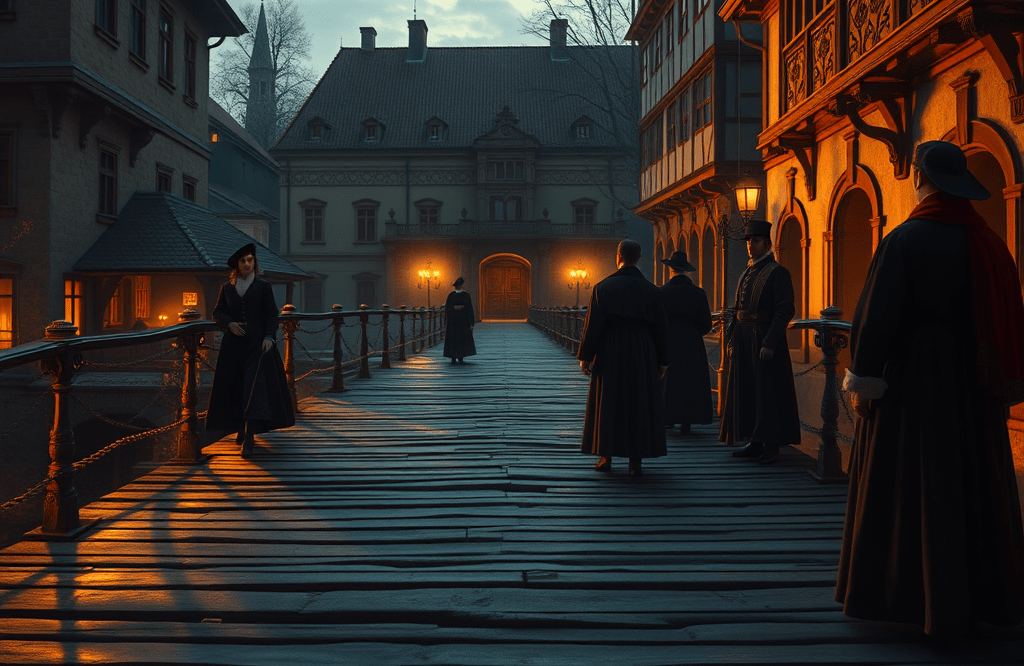
Today, we will journey back to the 17th century in the old Bucharest, exploring a city that looks entirely different and is much smaller than what we know today. Picture … Continue reading The Black Chancellery

Today I will take you on a new trip so, grab my hand and let’s have a walk. We will walk in one of my favorite places, a beautiful park … Continue reading The oldest garden in Bucharest – Cișmigiu
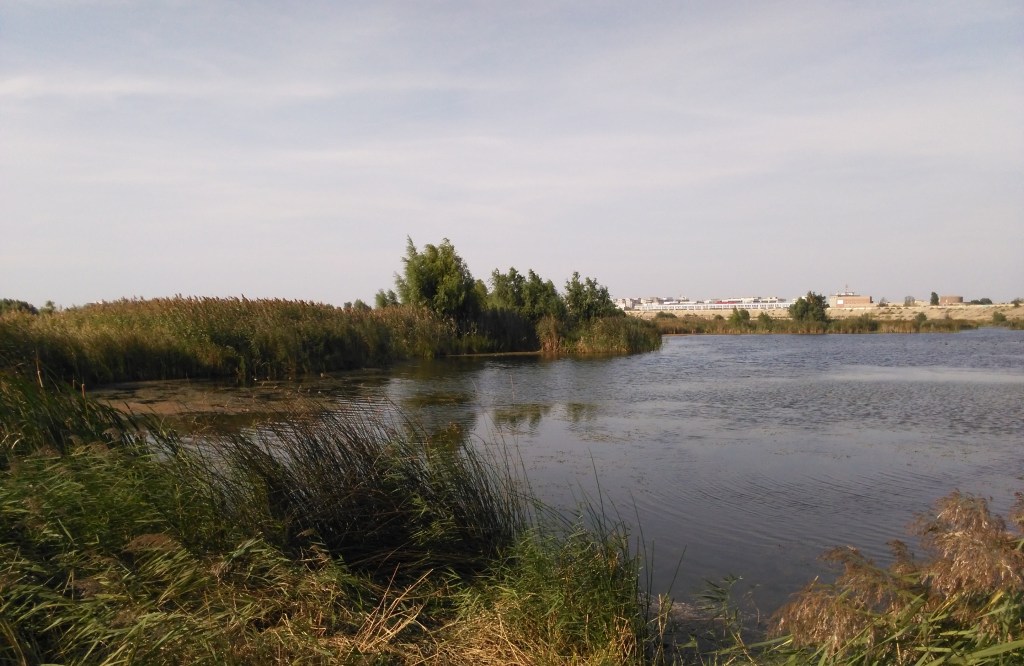
Today I will take you to a place situated in Bucharest. It looks almost like a park with some small lakes in it. You can admire some vegetation that grows … Continue reading The wildest place in the heart of Bucharest
 cursedtraveler