Ortu’ Popii — A Stroll Through Traditions Today, I’ll take you on a little trip through traditions — a friendly walk through time. So, come on, grab my hand, and … Continue reading Ortu’ Popii — A Stroll Through Traditions
Ortu’ Popii — A Stroll Through Traditions Today, I’ll take you on a little trip through traditions — a friendly walk through time. So, come on, grab my hand, and … Continue reading Ortu’ Popii — A Stroll Through Traditions
It is a beautiful autumn night. The wind is gentle, not too strong — just enough to carry the scent of fallen leaves. It smells like autumn itself.You feel the … Continue reading Just an autumn story
Come on, my dear. Yes, take my hand—like always.
The air smells of smoke and ripe apples, and the wind tastes like old stories. You can almost hear them humming through the trees, calling us again.
Ready for another jump through time? I knew you’d say yes. You always do. Hold on tight. This one’s a long leap—through centuries, through faith, through fire.
The wind flares hot, and suddenly our boots click on marble streets. We’re in Thessaloniki—long, long ago, when emperors ruled the world and gods demanded sacrifices instead of prayers.Smell that? Incense, sweat, and the sharp tang of iron. The banners of Emperor Maximilian flap in the dry air, scarlet against a sky like melted bronze.There—do you see him? Dumitru, the proud governor, shoulders straight, his armor gleaming. But look closer. Behind those calm eyes, something fierce burns—a faith he cannot hide. He’s Christian. In these times, that’s as dangerous as carrying a spark through a field of oil.When the emperor returns from war, he calls for feasts and sacrifices. Drums thunder. Wine spills. But whispers reach his ears—the governor refuses the old gods.
They drag Dumitru before him. You squeeze my hand—you know what’s coming.“Yes,” Dumitru says, his voice calm as still water. “I believe in one God.”And there it is—the moment when courage becomes legend.They throw him into a dungeon. You can almost feel the chill of the stone walls, the damp smell of earth and iron. When the soldiers come, torches flickering, they strike him with spears…But then—light. Golden, blinding light spilling from every wound, until even the guards cover their faces.He dies, yes. But not quietly. The air trembles with something holy, something eternal.
I glance at you, and you nod. You can feel it too. The moment faith becomes flame.
The marble crumbles under our feet, and now we’re standing among cliffs and moss, the air cool and clean, tasting faintly of rain. We’re in the 13th century now, near Basarabov, a small village folded in green hills and silence. The river hums nearby, soft as a lullaby.There, in a cave carved by wind and time, lives another Dumitru. You smile—you already know his kind. The quiet souls, the ones who talk to stones more than to people.No armor here. No throne. Just rough cloth, bare feet, and prayers whispered to the wind. He eats roots, drinks from the river, and knows the language of birds.
When he feels his time drawing near, he lays himself down between two stones shaped like a coffin.
“I came from dust,” he whispers. “To dust, I return.”And when he passes, the air in his cave smells of wildflowers.Centuries later, they’ll carry his relics to Bucharest—candles flickering, people weeping softly.
But if you close your eyes now, you can still hear the song of the river, and maybe… just maybe… his voice carried on the mist.
We step back into our own time. The air shivers with cold, the sky deep as ink. Around us, hills glow with hundreds of fires. The smell—ah, that smell!—smoke, apples roasting, the faint sweetness of wine.“Tonight,” I whisper to you, “Saint Dumitru closes autumn’s gates and wakes the wolves.”Flames leap high, painting faces gold and red. Children laugh as they jump over the fires, chasing health and luck through the sparks.You nudge me and grin. “Think I should jump too?”“Only if you want love this year,” I tease, and you laugh—the kind of laugh that fits perfectly under a night like this.
Old women hand out nuts, apples, bagels, and grapes, their shawls smelling of herbs and wood smoke.And somewhere beyond the firelight, a wolf howls. Not with hunger. With joy.
This is their night too.
They say Saint Dumitru walks the forests at midnight, his cloak woven from moonlight and frost, his hands gentle as snow.He touches each wolf on the head, blessing them for the long winter ahead. If you’ve kept faith, they’ll guard your home.
If not… well, let’s hope you’ve left a few bones at the edge of your garden.You squeeze my hand again as we hear another howl. Don’t worry—it’s a good one. You can tell by the sound.But remember the rules:
No knives tonight. No combs. No planting garlic after Saint Dumitru.
The spirits of the season dislike being disturbed. Let them dream in peace.
The next morning, smoke fades and the air smells of fresh hay and baked bread. The fair has begun!Color everywhere—scarves, ribbons, wool, laughter. Fiddles cry out and feet stamp on packed earth. The smell of roasted chestnuts makes your stomach growl, and I grin, handing you one.This is how the people mark the end of the harvest—the last dance before winter claims the fields.
And maybe, just maybe, it’s how they find a little love before the snow falls.
You look around at the laughter and music, and I catch your smile. I’ve seen it every autumn since forever—it’s the smile that says, “We made it here again.”
As dusk returns, we sit on the last hill where the fires still glow. The air is colder now, the stars sharper.
Saint Dumitru walks once more between the worlds, closing the door to autumn, opening the gate to winter.
He blesses the brave, the kind, and those who still dare to dream when the nights grow long.
I turn to you. “No knives, no combing, no quarrels,” I remind you softly.
You chuckle. “You always say that.”
“And you never listen,” I say, smiling.
The fire crackles. The wolves sing somewhere in the dark.
And together, we whisper our wish into the smoke—because on the Night of Saint Dumitru, every wish carries a spark.
So let it fly, my friend.
The saints are listening.
And the wolves are smiling.
Take my hand.Today, we’re stepping across centuries — to a place where stone walls still remember the clash of swords and the murmur of the Danube below. We’re going to … Continue reading Golubac Fortress – Whispers of the Danube

Today, I’m setting out on a new journey.Take my hand, and come with me. We’re heading to a forest unlike any other — a strange, whispering place wrapped in stories … Continue reading A Whisper of a Story from Hoia Baciu Forest
Today, I’ll take you on a new journey — to Bulgaria, to see an ancient city, fortress, and temple. Our steps will follow a path through the Rhodope Mountains. Don’t … Continue reading Perperikon-the place lost in time
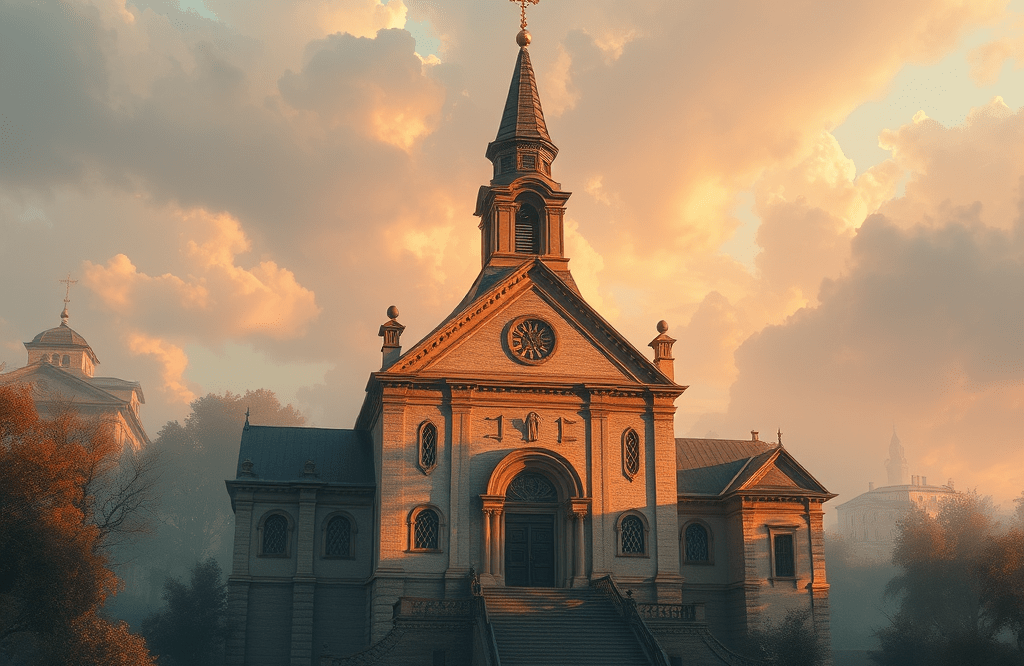
Today, I would like to take you on a new journey. We will visit a church rich in history. Grab my hand, and let’s enjoy the experience together. The church … Continue reading Schitul Darvari – A Journey Through Time
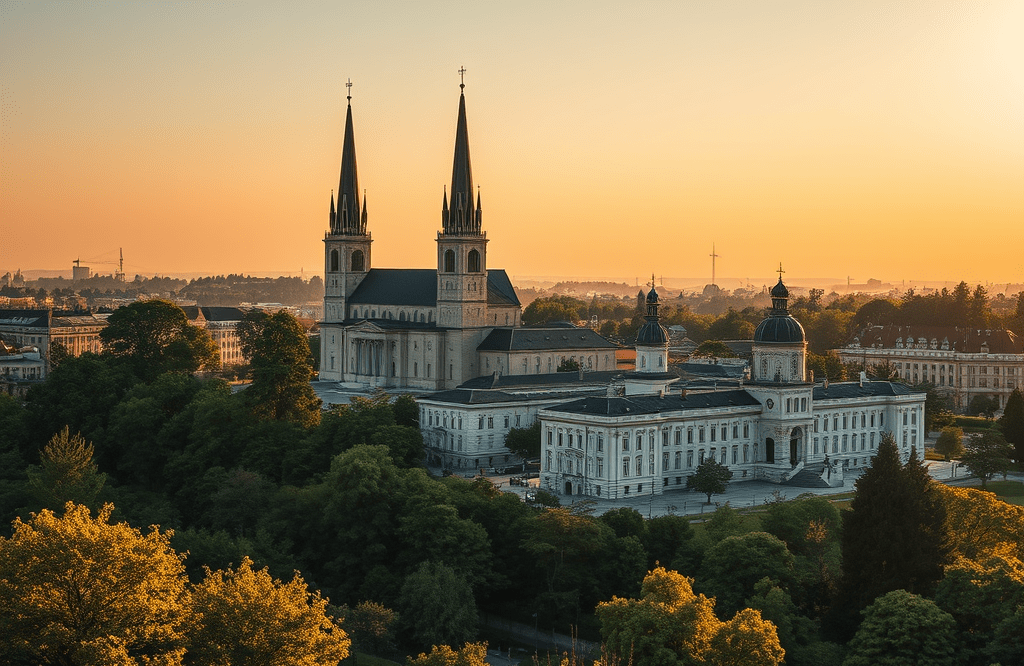
Today, I will take you on a new trip to the Mitropoliei Hill. Let’s explore how the buildings in this area have evolved over time. I will guide you on … Continue reading Dealul Mitropoliei
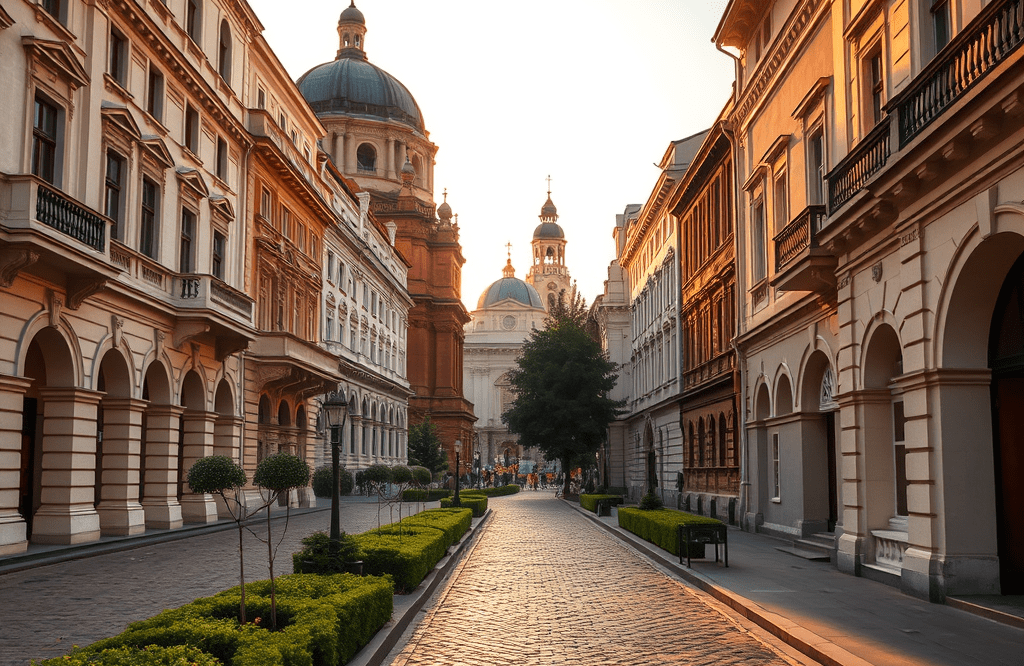
Today, I will take you on a new trip. We will walk along the most famous street in Bucharest, Calea Victoriei. Long ago, this street had a different name, so … Continue reading Calea Victoriei
Today, I invite you to join me on a fascinating journey through time, as we take a walk along Calea Plevnei—one of Bucharest’s most storied streets. Grab my hand, and let’s step back in history together.
In its early days, this street wasn’t as we know it today. It was once called the *”Earth Bridge”* because it was simply a path made of dirt mixed with gravel, rubble, and ash—without the wooden beams typically used to reinforce roads. The street began at the meadows near the Dâmbovița River, stretching from the slums of Trumpets (behind the CEC Palace), crossing the Dâmbovița at the Ford of the Sacks, and passing by the impoverished districts of Izvorani and Gorgani, eventually leading out of the city.
At the time, the Dâmbovița River often flooded the slums of Gorgani and Izvor, so local authorities decided to build an earth dam to protect these areas. This dam is how the street got its name. For the young men living here around 1830, keeping the dam in good condition was a duty, and while it was a difficult task, it came with an unexpected benefit: they were exempt from military service.
Calea Plevnei, like many old streets, holds a rich tapestry of events. Let’s pause at some key moments in its history.
The Military Barracks of Saint George
In 1844, during the reign of Gheorghe Bibescu, a military barracks was built here for the cavalry. The first stone was laid with great ceremony, alongside a lead container holding a building plan and a commemorative coin minted for the occasion. Unfortunately, this structure was short-lived—it was destroyed by fire in 1861. But the site would not remain empty for long. A larger building would soon rise in its place, one with 475 rooms. This new barracks, named *Malmaison* in honor of French Emperor Napoleon III’s favorite castle, became a key feature of the street. However, the name didn’t quite stick with the locals, who affectionately transformed it into *Marmizon*. This place would go on to play an even larger role in history, later housing a prison where many notable figures, including Corneliu Coposu, Constantin Noica, Nicolae Steinhardt, and Paul Goma, were incarcerated during the Communist era. The site eventually became part of the Chemistry Institute.
The Manutanta Bakery and the Silent Informant
Not far from Marmizon, a military bakery called *Manutanța Centrala a Armatei* was built in 1891. Local lore tells of a man known as “The Mute from Manutanța”—a mysterious figure who seemed to know everything about politics and the world around him. His name became synonymous with gossip and secrets. People often joked, “Where did you hear that? From the Mute of Manutanta!”
The Church of Saint George: From Farmazon to Freemasonry
Nearby stood the Church of Saint George, which locals affectionately called the *Church of Farmazon*—a term that roughly translates to “wizard.” The name wasn’t about magic, but rather a nod to Procopie Canusis, a local landowner who was associated with the secret society of *Eteria*—a group that sought to liberate Greece from Ottoman rule, inspired by Freemasonic ideals. Canusis, a proud member of the society, wanted his tombstone to bear the words *”Franc-Macon”*. Over time, this became *”Farmazon”*, and the name stuck. Later, a street would take its name from this association—first called “Farmazon,” then “Francmason” during the communist period, and today it is known as Mircea Vulcanescu street.
The Military Hospital and the Brewery
As time passed, the area continued to develop. Between 1857 and 1858, a hospital for soldiers was established here, which later became the Military Central Hospital we know today, founded in 1885.
At the end of Calea Plevnei, in 1869, the *Luther Brewery* was built, producing beer that became popular in the grandest restaurants and even at the royal court. The brewery was an important part of life in this area and added to its vibrant character.
A Name Change: From Earth Bridge to Calea Plevnei
In 1878, in honor of Romania’s victory in the War of Independence, the street’s name was officially changed to *Calea Plevnei*, after the town of Plevna in Bulgaria, where a significant battle was fought. It was a place where the Turkish forces were defeated, marking a major turning point in the war.
And now, here we are, walking along a street that has witnessed centuries of change—from the Earth Bridge to the bustling avenue we see today.
I hope you’ve enjoyed this historical walk with me, tracing the steps of the past.
 cursedtraveler